For years, I treated every website project the same way.
Build the site.
Launch it.
Send the invoice.
Move on to the next client.
Then I noticed something frustrating.
Every month started at zero.
No matter how many projects I finished last month, I still had to find new work this month.
If you've been freelancing for a while, you've probably felt the same thing.
You can have a great month, close a few projects, and feel on top of the world.
Then the following month is completely empty.
That cycle gets exhausting.
Eventually, I realized the developers making the most money weren't necessarily building more websites.
They were building recurring revenue around the websites they already managed.
The Client Relationship Doesn't End After Launch
Most clients don't want to manage their own websites.
They don't want to deal with hosting.
They don't want to update content.
They don't want to monitor performance.
They definitely don't want to troubleshoot technical issues.
What they really want is simple.
They want the website to work.
That's where recurring revenue starts.
Every website you launch creates an opportunity to provide ongoing services.
Not because you're selling unnecessary extras.
Because clients genuinely need help maintaining their online presence.
The Easiest Place to Start Is Hosting
Hosting is often the first recurring service developers offer.
A client pays you every month or every year.
You handle the infrastructure.
You manage backups.
You monitor uptime.
You become the point of contact if something goes wrong.
Many developers only think about project fees.
But a $50-$100 monthly hosting retainer across 30 clients becomes meaningful income.
A portfolio of 50 clients paying monthly can generate more predictable cash flow than constantly chasing new projects.
The best part?
Most clients prefer having one person responsible for everything.
Maintenance Plans Are Even Better
This is where many freelancers leave money on the table.
A website isn't finished after launch.
Clients always need something.
- Small content edits
- Image updates
- New landing pages
- New services
- Staff changes
- Pricing updates
Instead of charging one-off invoices every time, package these requests into a monthly maintenance plan.
A simple maintenance plan could include:
- Basic website monitoring
- Monthly backups
- Security checks
- Content updates
- Small design changes
- Technical support
Now you're solving a business problem instead of selling hours.
Clients appreciate predictable pricing.
You get predictable income.
Everyone wins.
The Requests Never Really Stop
One thing I learned after managing client websites for years:
The updates keep coming.
A new employee joins.
A service changes.
A promotion launches.
A new testimonial needs adding.
A page needs refreshing.
Most websites become neglected because clients don't have a simple way to keep them updated.
When ongoing updates are included in a monthly plan, websites stay active and clients stay happy.
That also means longer client relationships.
Some of the most profitable client accounts aren't the biggest projects.
They're the clients who stay with you for years.
Analytics Creates Another Revenue Stream
Most business owners have no idea what's happening on their websites.
They know they want more leads.
They know they want more traffic.
But they rarely understand the numbers.
This creates another recurring service opportunity.
Monthly analytics reports
Traffic summaries
Conversion tracking
SEO performance updates
Clients don't need complicated dashboards.
They need answers.
- How many people visited?
- Which pages performed best?
- Where are leads coming from?
- What's improving?
A simple monthly report often provides more value than clients expect.
Why Traditional CMS Platforms Make This Harder
Here's something I didn't fully appreciate early in my career.
Recurring revenue sounds great until maintenance becomes a full-time job.
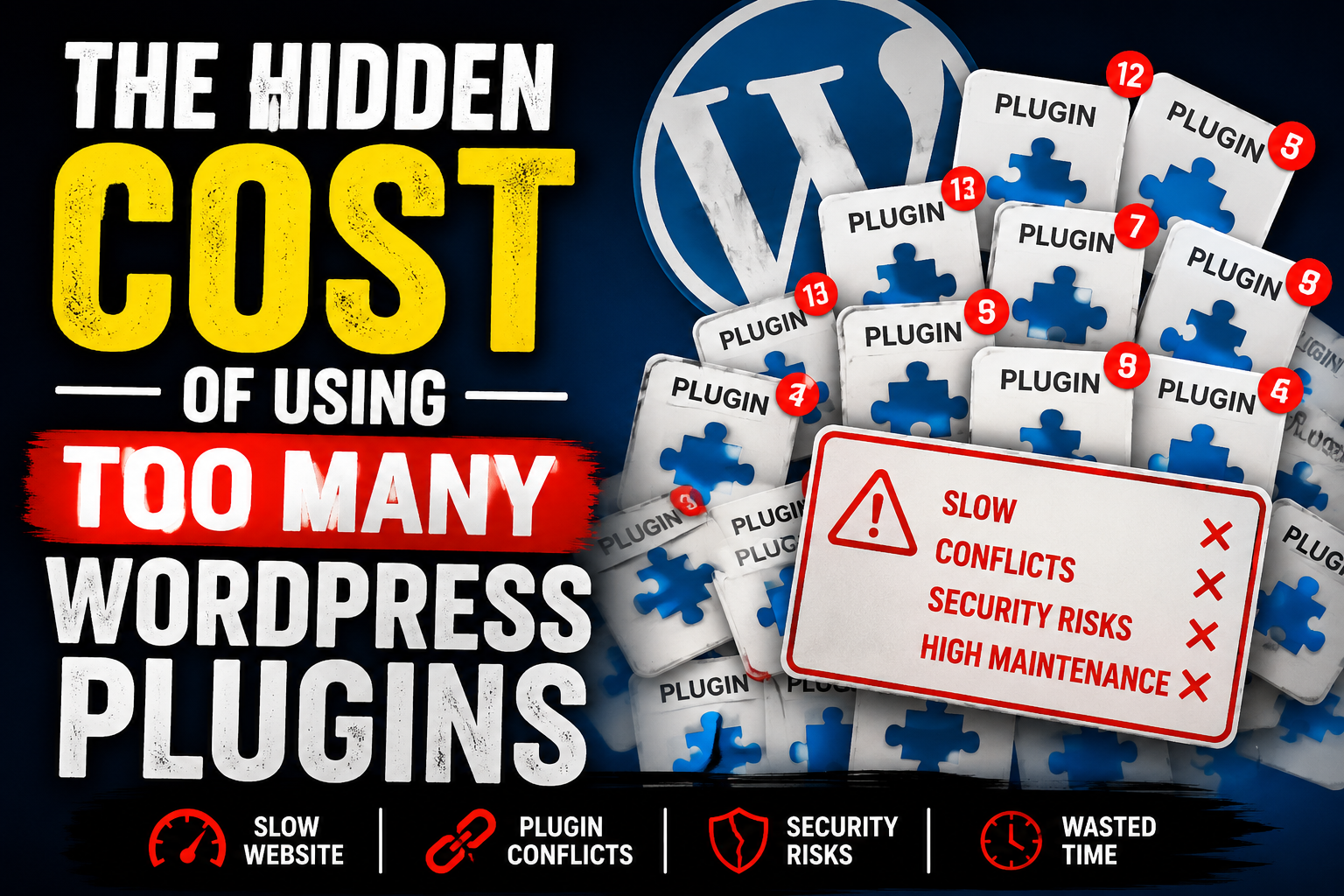
Many developers build recurring service packages only to spend countless hours dealing with:
The more client websites you manage, the bigger this problem becomes.
| At 5 websites | It's manageable. |
| At 25 websites | It becomes stressful. |
| At 50 websites | It becomes overwhelming. |
That's when your recurring revenue starts feeling like recurring headaches.
What Changed My Approach
A few years ago, I started paying much closer attention to the tools I was using.
Not just for building websites.
For managing websites long-term.
That's a completely different challenge.
Recurring revenue only works when maintenance stays predictable.
If every client website requires constant troubleshooting, your margins disappear.
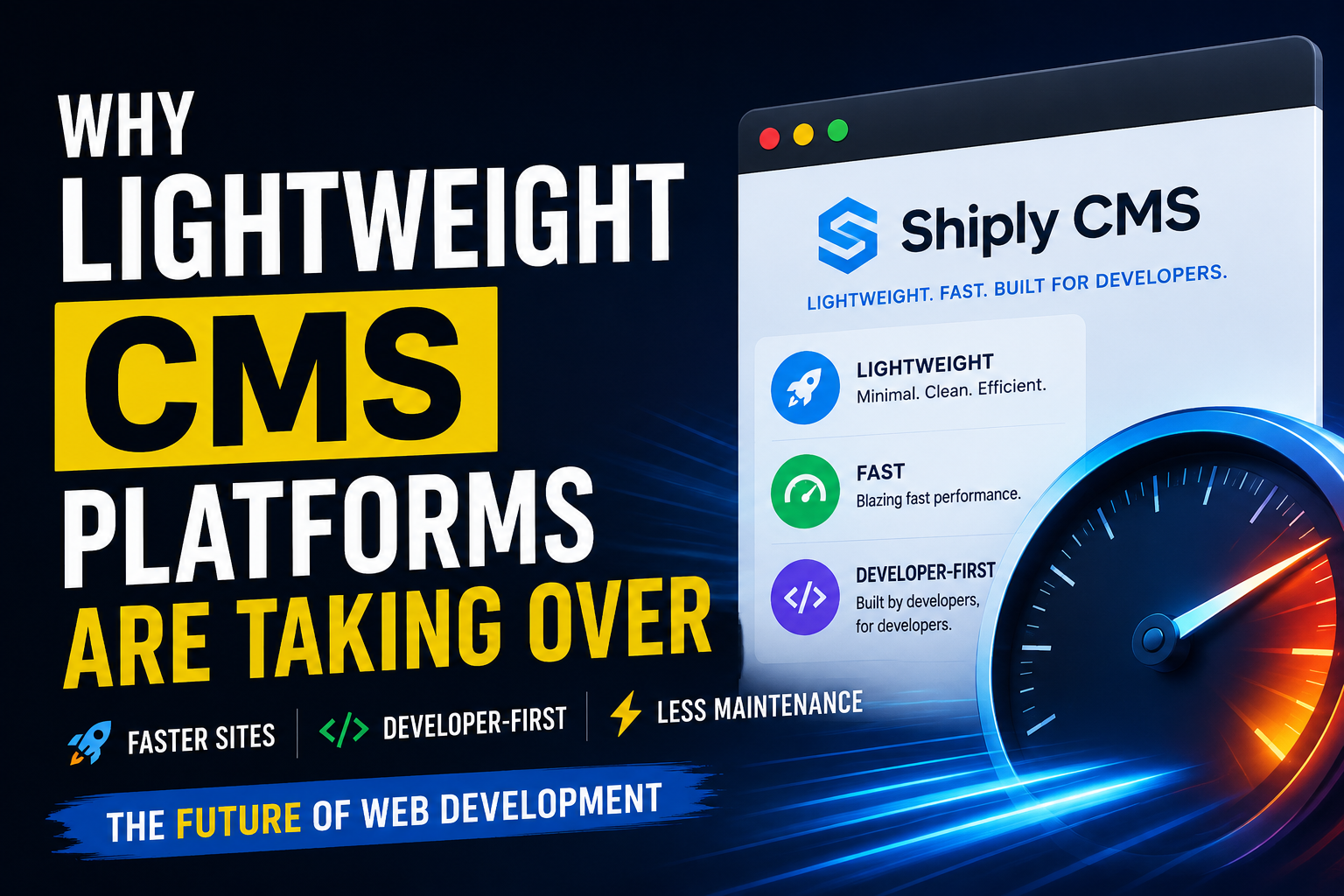
That's one reason Shiply CMS stands out.
It was built with developers in mind.
Instead of stacking dozens of plugins and hoping everything continues working after updates, the workflow stays much simpler.
That means:
- Less maintenance
- Faster deployments
- Easier client management
- More predictable support workloads
- More time available for billable work
And that's exactly what recurring revenue needs.
Think More Like a SaaS Business
The biggest mindset shift for freelancers is realizing you're not just building websites.
You're building recurring services around those websites.
Every new project can become:
- Hosting revenue
- Maintenance revenue
- Analytics revenue
- Content update revenue
- Technical support revenue
- SEO support revenue
Instead of earning once from a project, you create ongoing income from the relationship.
That's how many freelancers eventually build stable businesses.
Not by taking on more projects.
By increasing the lifetime value of every client.
Something I Wish I Learned Earlier
When I first started freelancing, I thought success meant constantly finding bigger projects.
Today, I'd rather have 40 clients paying every month than depend on a handful of large one-time projects.
Recurring revenue changes everything.
Most importantly, it gives you more control over your business.
And when you combine recurring service packages with a lightweight platform like Shiply CMS, managing those clients becomes much easier as your portfolio grows.
That's when freelancing starts feeling less like a job and more like a sustainable business.